
The federal solar Investment Tax Credit (ITC) remains one of the most direct ways for commercial real estate owners to reduce capital costs and create measurable value from clean energy investments. It delivers a 30+% credit that transforms project economics; turning solar installations into assets that reduce operating costs, increase property valuations, and deliver accelerated returns on investment.
While the credit is still fully available for qualifying commercial projects, the deadlines that determine eligibility are quickly approaching. For investors who understand how to navigate the safe harbor framework, this presents a defined but time-sensitive opportunity to capture meaningful tax benefits and enhance portfolio returns.
The opportunity remains open, but the advantage now shifts to those who can identify the right assets and move quickly enough to meet the qualification thresholds.
What is the Solar Investment Tax Credit (ITC)
At its core, the ITC allows property owners to offset a significant portion of solar project costs through a federal tax credit.
Today, that credit equals 30% of total system costs, including equipment, labor, and installation. In certain cases such as an affordable housing asset, the total benefit can reach as high as 50%.
To put that into perspective:
A $350,000 solar project can generate a $105,000 tax credit that directly reduces federal tax liability, subject to applicable tax rules and the investor’s specific tax situation.
What Changed
Legislation passed in 2025 shifted how and when projects qualify. Under the updated rules, projects must now meet one of two conditions:
- Begin construction by July 4, 2026, or
- Be fully operational by December 31, 2027
In addition, new Foreign Entities of Concern (FEOC) restrictions, effective January 2026, introduce supply chain considerations. Projects may face reduced eligibility depending on where key components are sourced, particularly from countries like China.
Together, these changes make early planning and procurement more important than ever.
How Owners and Investors Can Still Qualify
Despite tighter timelines, there is a “safe harbor” rule that provides a clear pathway to preserve eligibility:
5% Safe Harbor Rule:
Projects at or under 1.5MW, which covers most rooftop or carport installations, can establish construction start by incurring at least 5% of total project costs before the July 4, 2026 deadline. This is most commonly achieved through purchasing project-specific equipment or putting down a deposit on engineering, design, and interconnection work. Most developers are recommending 7 to 10% of project costs.
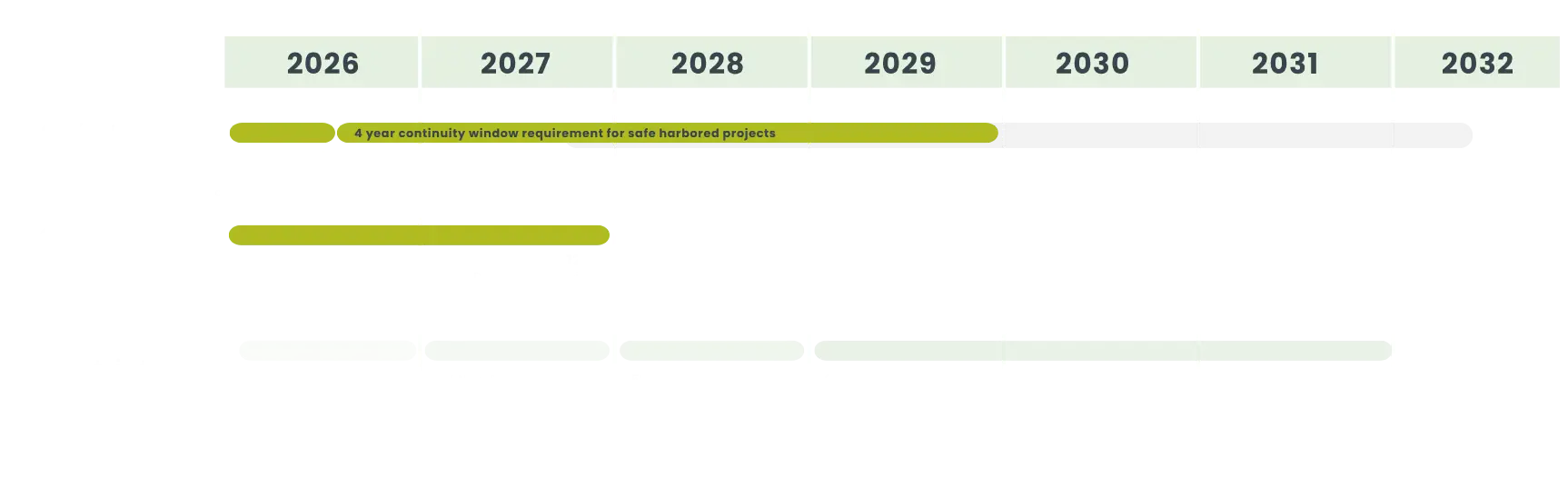
Once construction begins, timing still matters. Projects must either:
- Be completed within four years, or
- Demonstrate continuous progress to maintain eligibility
(Projects started in 2026 automatically satisfy continuity if placed in service by December 31, 2030.)
To visualize how these deadlines work together, the timeline below shows the critical milestones and decision points for maintaining ITC eligibility:
Identifying the Right Properties & Market Considerations
If you’ve been considering solar for your portfolio, this is the moment to move from evaluation to execution. But not every property offers the same opportunity, and with the July 4th deadline approaching, strategic asset selection is critical.
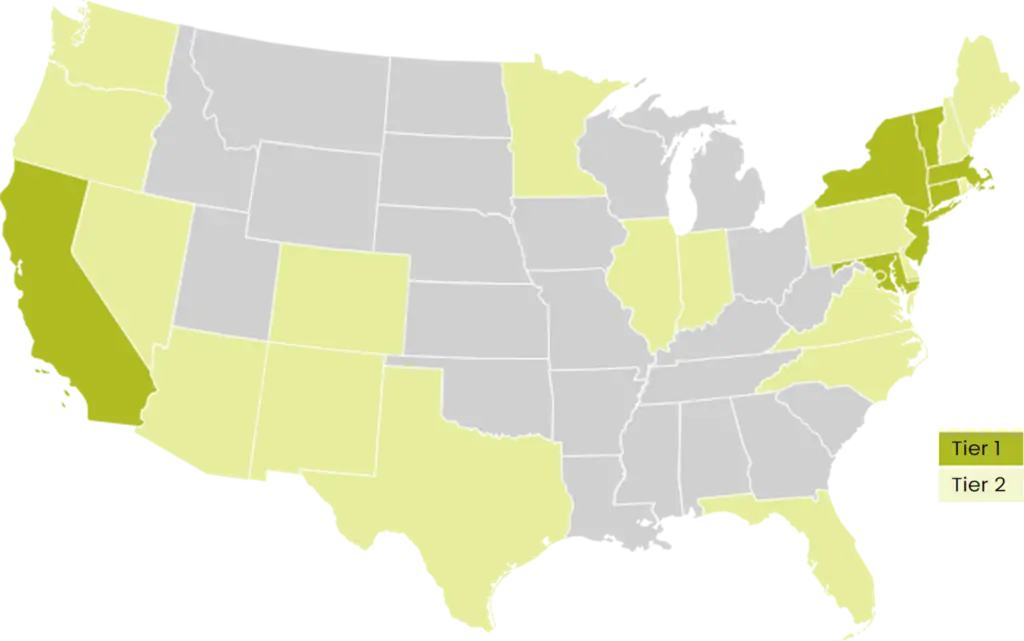
The strongest candidates typically share certain characteristics: favorable utility rates, supportive local solar policies, and local/utility incentives or rebates. Based on these factors, here are the markets where we consistently see the most compelling project economics:
Beyond market dynamics, asset type should also be considered:
- Industrial & Retail:
Typically offer the best roof space and strongest economics, though lease structures (e.g., triple-net) can complicate ownership benefits. - Multifamily:
Works well in markets with virtual net metering or community solar programs, enabling value capture across tenants, but typically requires third-party support. - Office:
Often has strong daytime load from common areas, but roof space and layout variability can impact feasibility.
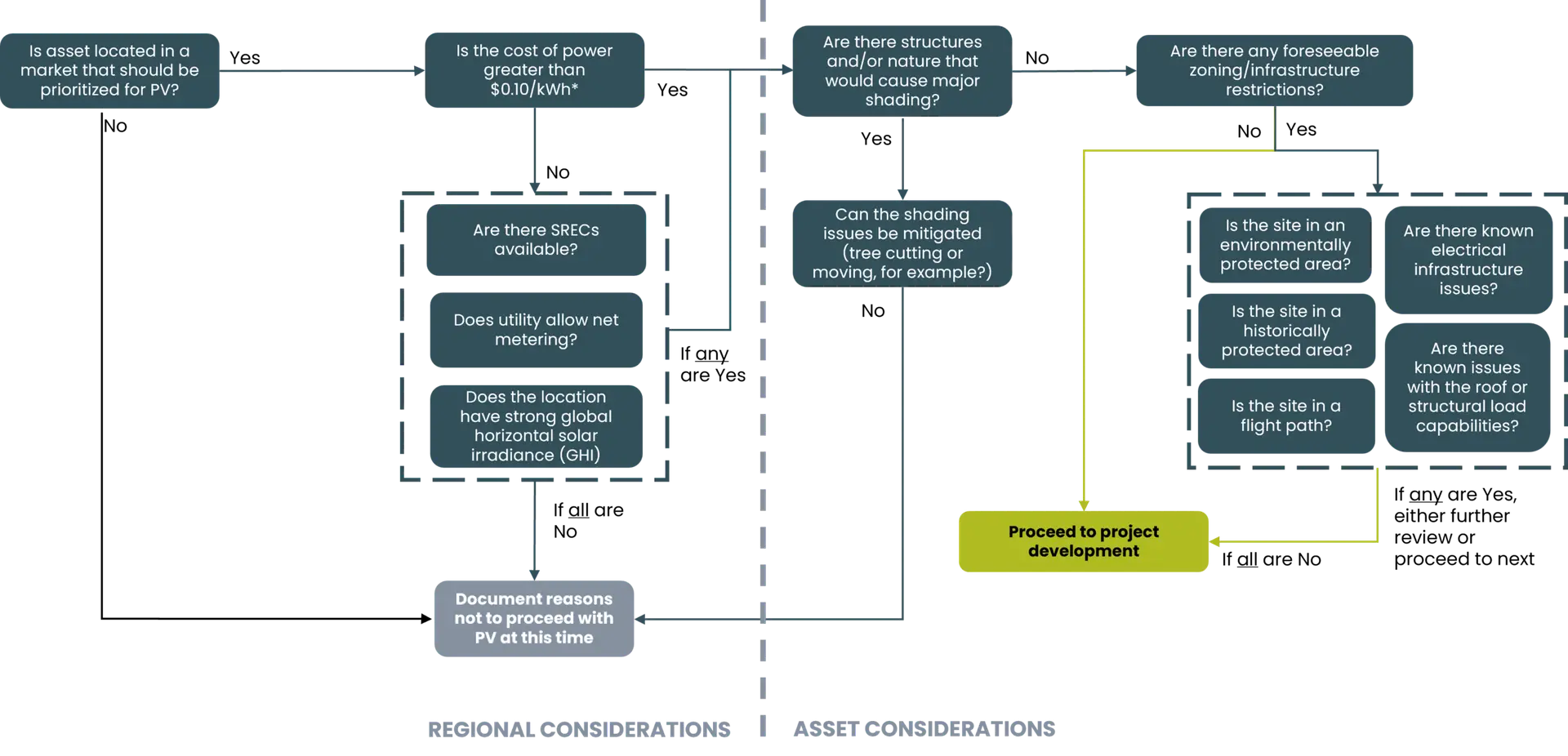
Asking a few key questions can help determine if solar feasibility should be pursued for an asset:
Bottom line:
July 4, 2026 is the defining deadline. Investors who move now can lock in meaningful tax advantages and long term value creation, while those who wait risk missing the opportunity entirely.
If the deadline is missed, projects may still qualify if they are fully operational by December 31, 2027. However, eligibility at that stage is far less certain, as it becomes dependent on factors outside of an owner’s control, including utility interconnection timelines, supply chain constraints, and contractor availability. In practice, these variables can make the 2027 pathway significantly more difficult to reliably achieve at scale.
The key is not just acting quickly, but identifying the right assets and structuring projects to meet safe harbor requirements with confidence.
For most owners, the path forward looks something like:
- Identify assets where solar is both feasible and economically meaningful
- Advance those projects to a level where procurement is possible
- Use the 5% safe harbor to secure eligibility
- Execute with clean, defensible documentation
That sequence allows investors to lock in incentives without forcing full project delivery on an artificial timeline.
Ready to evaluate your portfolio for solar potential?
GreenGen’s solar feasibility studies provide the clarity you need to make confident decisions before the safe harbor deadline. Contact us for help identifying which of your assets offer the strongest opportunity to capture this credit while it’s still available: